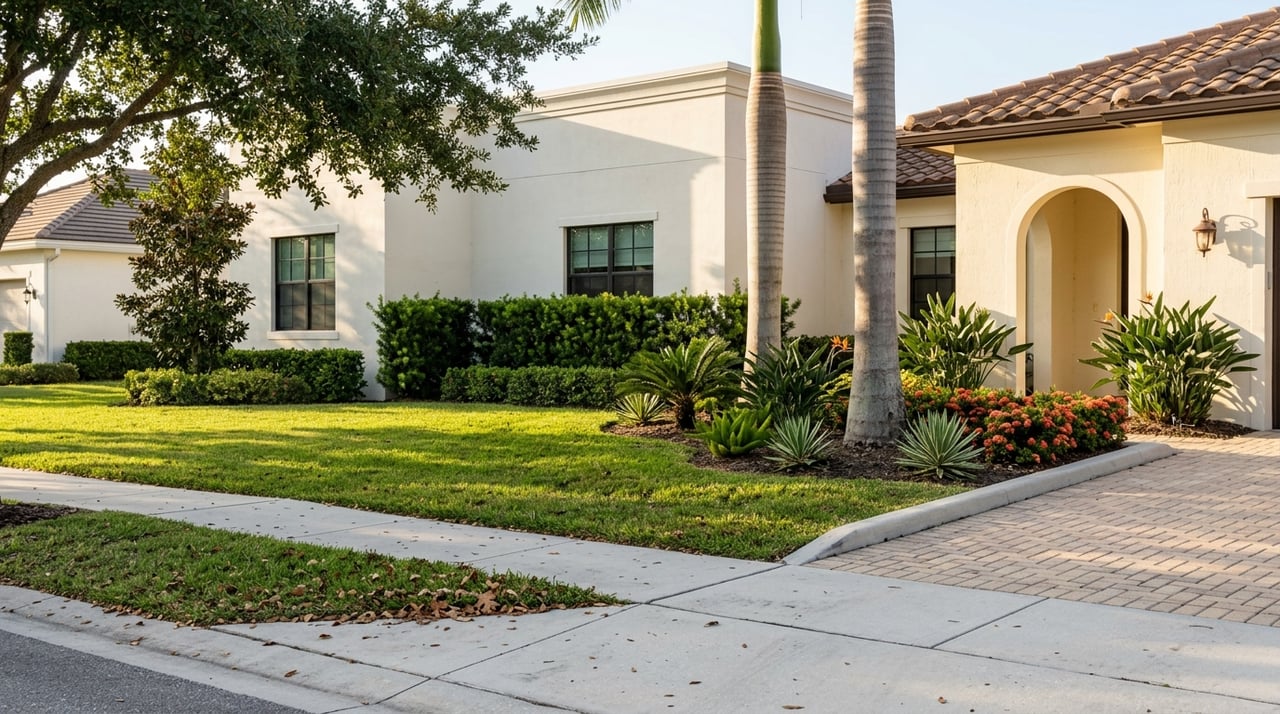
Choosing the right neighborhood in Parkland is about more than finding a home you like. Two properties can share a Parkland mailing address yet offer very different lot sizes, HOA setups, driving patterns, and access to parks or trails. If you want a neighborhood that truly fits your day-to-day life, it helps to compare Parkland with a clear plan. Let’s dive in.
Start With the Right Part of Parkland
Parkland is not one uniform housing market. The city describes itself as a peaceful suburban community in northwest Broward County, stretching west from State Road 7 / US-441 to the Everglades and north from the Sawgrass Expressway to Loxahatchee Road. That size and layout mean your experience can vary quite a bit depending on where you buy.
Before you compare listings, use Parkland’s city map tools to narrow your search. The city provides static maps for zoning, land use, parks and trails, flood hazard areas, drainage district boundaries, water service, sewer service, street ownership, traffic signals, voting locations, and unincorporated areas. These layers can help you understand what surrounds a home before you ever schedule a showing.
One of the smartest first steps is to confirm whether a property is inside city limits or in an unincorporated pocket. Two homes with the same mailing city can still fall under different service or jurisdiction patterns. That can affect how the area feels and what practical details you want to verify.
Why City Maps Matter
A neighborhood search usually feels easier when you move beyond broad labels and look at the actual setting of each address. You can compare nearby roads, park access, trail connections, and service areas in one place. That helps you focus on neighborhoods that match your routine instead of just your wish list.
If you are moving from another part of Broward or Palm Beach County, this step is especially helpful. Parkland may seem straightforward at first glance, but the map layers often reveal meaningful differences between one area and another.
Compare Home Style and HOA Setup
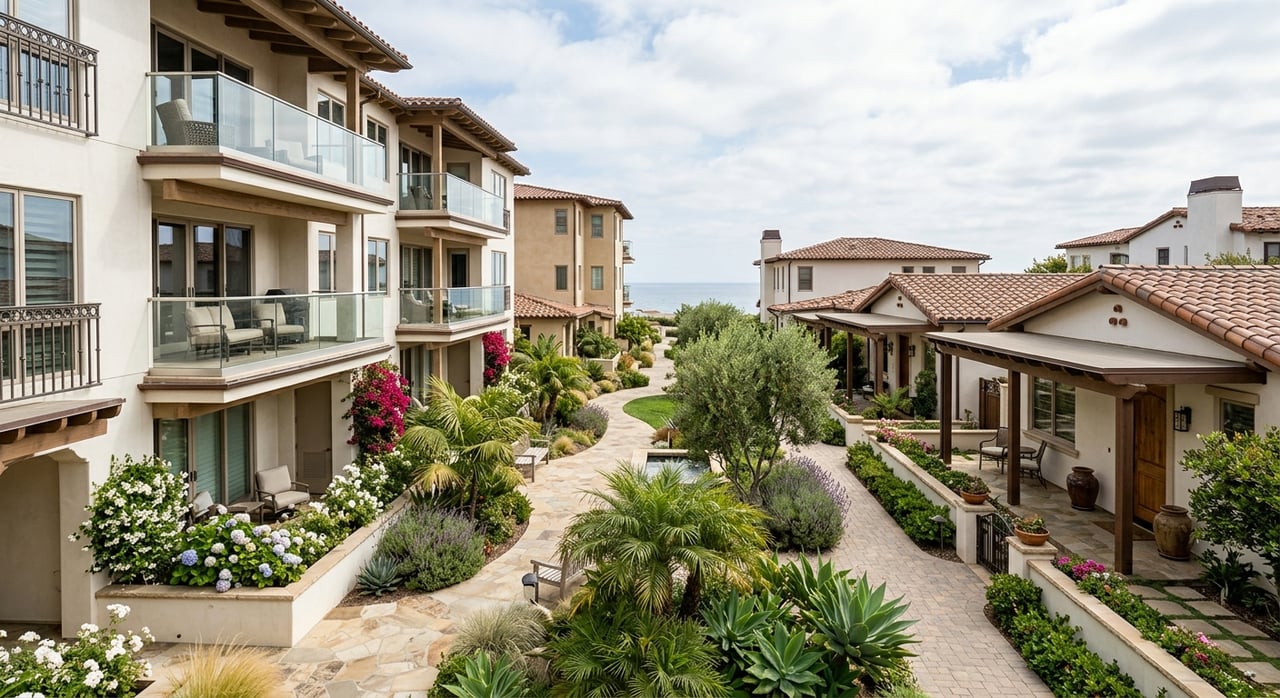
Once you know which part of Parkland interests you, the next step is comparing community format. The city’s HOA roster shows a wide range of neighborhood types, from carriage home condominiums to larger communities such as Heron Bay Community Association, Parkland Bay, MiraLago at Parkland, Town Parc at Miralago, and Parkland Estates.
That variety matters because the right neighborhood is often the one that fits how you want to live. Some buyers want a larger lot and a more spacious feel. Others prefer a more compact or lower-maintenance setup that keeps day-to-day upkeep simpler.
The city notes that its HOA list is updated periodically and may not reflect the most current information. Treat it as a starting point, then confirm dues, rules, and contacts directly with the relevant HOA or condo association before you make a decision.
What to Look For During Tours
A practical way to compare neighborhoods is to focus on the same factors the city used when evaluating development in the Heron Bay area:
- Home size
- Home style
- Lot size
- How well the homes fit with the surrounding area
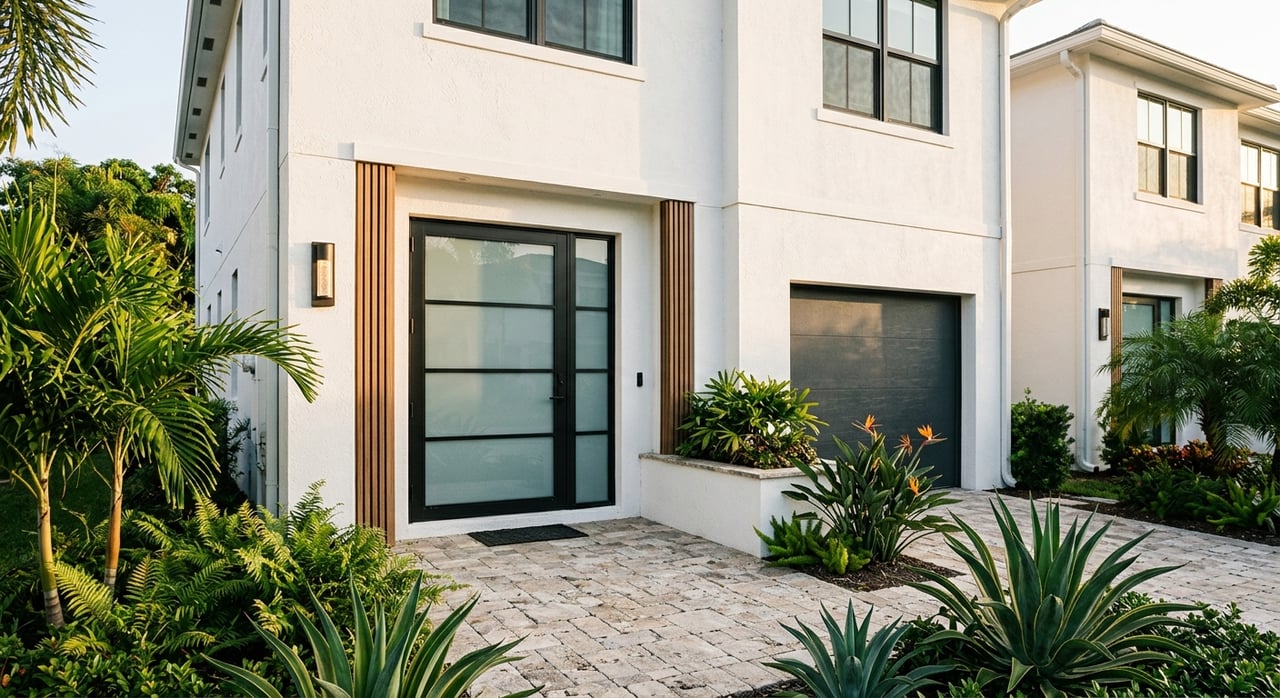
These details can quickly tell you whether a neighborhood feels more estate-style, suburban, compact, or maintenance-light. As you tour, pay attention to how much breathing room you want between homes and how much exterior upkeep you are comfortable handling.
Ask HOA Questions Early
If a property is in an HOA or condo community, get specific before you fall in love with the home. Ask about:
- Monthly or quarterly dues
- Pet rules
- Leasing limits
- Parking rules
- Guest policies
Those details affect everyday living just as much as square footage or finishes. They also help you compare communities fairly, especially if you are deciding between a single-family home, townhome, villa, or condo-style option.
Match the Neighborhood to Your Commute
A beautiful home can feel less convenient if the drive does not work for your schedule. In Parkland, neighborhood choice often comes down to how quickly you can reach the roads you actually use most often.
When comparing locations, test access to Sawgrass Expressway, State Road 7 / US-441, University Drive, Holmberg Road, Hillsboro Boulevard, Nob Hill Road, Parkside Drive, and Loxahatchee Road. These connections can shape your commute, weekend errands, and overall ease of getting around.
The city’s traffic page is also worth checking while you search. Parkland is currently tracking work on Loxahatchee Road and Hillsboro Boulevard, which is a good reminder that convenience can shift when road projects are active.
Drive the Route at Realistic Times
If possible, do not judge a neighborhood based on a quick midday visit alone. Try the drive at the same time you would actually leave for work, school drop-off, evening activities, or weekend plans. The route may feel very different depending on the hour.
This simple step can save you from choosing a home that looks perfect on paper but does not support your routine. In a suburban market like Parkland, driving patterns matter.
Keep Long-Term Access in Mind
The city has also noted that Florida’s Turnpike Enterprise is in the design phase of expanding the Sawgrass Expressway from Sample Road to State Road 7 / U.S. 441, including interchange improvements at Coral Ridge Drive. You do not need to base your search on that project alone, but it can be useful context when you think about long-term traffic flow and regional access.
Compare Parks and Recreation
For many buyers, the right neighborhood is the one that supports how they want to spend their free time. Parkland offers a strong mix of parks, trails, sports facilities, and civic amenities, and proximity to those places can shape your experience more than you might expect.
The city’s park profiles include Pine Trails Park, Terramar Park, John H. Quigley Park, Liberty Park, Covered Bridge Park, Wedge Preserve Park, Barkland Dog Park, and the Equestrian Center at Temple Park. Parkland’s paths and trails are open from sunrise to sunset.
Key Recreation Areas to Know
Some parks stand out because of the range of amenities they offer:
- Pine Trails Park is one of Parkland’s most popular parks. The P-REC there is the center of the city’s largest park and offers more than 100 programs for toddlers through seniors in a 24,700-square-foot facility.
- Terramar Park is also one of the city’s most popular parks and includes fields, pickleball courts, trails, and an observation pier.
- John H. Quigley Park includes a tennis center with 12 clay courts.
- Liberty Park includes a horse corral and water play area.
- Wedge Preserve Park is planned as 36 acres of recreational space with fields, pickleball, a splash pad, and a mini play village.
If you know which amenities you would use weekly, you can narrow your neighborhood search much faster. A home closer to your preferred park or trail may be a better fit than a home with one extra feature you rarely use.
Pet and Hosting Considerations
If you have a dog, Parkland has a rule worth knowing early in your search. The city says dogs are prohibited in all parks except Barkland Dog Park and the Equestrian Center at Temple Park. That can influence which areas feel more convenient for daily outings.
If you enjoy gathering with friends or family, resident-only pavilions are available at Pine Trails Park, Terramar Park, Liberty Park, Quigley Park, and the Equestrian Center. That may not be the first detail you think about, but it can add real value to how you use the area.
Consider Everyday Civic Amenities
Neighborhood fit is not only about homes and parks. It is also about the places you will actually visit throughout the month.
Parkland Library is located at 6620 University Drive. The Parkland Farmers’ Market operates seasonally at the Equestrian Center at 8350 Ranch Road from November through April. If regular community events, library access, or weekend routines matter to you, keep those destinations on your map as you compare neighborhoods.
Use a Final Neighborhood Checklist
Before you write an offer, verify the property from multiple angles. A well-chosen neighborhood usually comes from checking the practical details, not from making assumptions based on a subdivision name or listing description.
Use this final checklist before you commit:
- Confirm the exact address on Parkland’s official map set
- Verify school assignment by address using Broward County Public Schools’ Find My School tool
- Confirm HOA or condo association details directly with the relevant association
- Check whether the home is inside city limits or in an unincorporated pocket
- Review flood-hazard and drainage maps for the address
- Test the drive based on your real commute times
- Identify which park, trail, or recreation facility you would actually use most often
Broward County Public Schools notes that boundary maps are reviewed annually when warranted, so school zones should always be confirmed by address rather than assumed from the neighborhood name. That extra step can prevent surprises later.
A Simple Way to Narrow Your Options
In practice, many Parkland buyers narrow their choices by balancing four things:
- Home style
- HOA structure
- Road access
- Proximity to recreation
If you want organized sports and structured programming, you may focus more on areas near Pine Trails, Terramar, or Quigley. If you prefer open-space surroundings or preserve-style settings, trail access and newer park areas such as Wedge Preserve may deserve a closer look.
The goal is not to find the “best” neighborhood in Parkland. The goal is to find the one that fits your routine, preferences, and long-term plans with the least amount of compromise.
If you want help comparing neighborhoods, touring homes, and narrowing down what truly fits your lifestyle in Parkland, connect with Andrew Ferreira for clear, personalized guidance every step of the way.
FAQs
How should you start comparing neighborhoods in Parkland?
- Start with Parkland’s official map tools so you can compare zoning, parks and trails, flood hazard areas, service patterns, and whether the address is inside city limits or in an unincorporated area.
What should you ask about HOAs in Parkland neighborhoods?
- Ask for the exact dues, pet rules, leasing limits, parking rules, and guest policies, then confirm those details directly with the HOA or condo association.
Why does commute testing matter when buying in Parkland?
- Commute testing helps you understand how easily you can reach roads such as Sawgrass Expressway, US-441, University Drive, Hillsboro Boulevard, and Loxahatchee Road at the times you would actually travel.
Which parks should buyers know when choosing a Parkland neighborhood?
- Key parks and recreation areas to compare include Pine Trails Park, Terramar Park, John H. Quigley Park, Liberty Park, Wedge Preserve Park, Barkland Dog Park, and the Equestrian Center at Temple Park.
How do you verify school assignment for a Parkland home?
- Verify school assignment by the exact property address using Broward County Public Schools’ Find My School tool instead of assuming the zone based on the neighborhood name.
What final checks should buyers make before choosing a Parkland neighborhood?
- Review the official city maps, confirm city versus unincorporated status, verify HOA details, check flood-hazard and drainage maps, test your drive times, and compare how close the home is to the parks or amenities you plan to use regularly.