If you are thinking about selling in Coral Springs, confidence matters almost as much as timing. You want a clear plan, realistic expectations, and fewer surprises once your home hits the market. The good news is that a strong sale often comes down to a few controllable steps: smart pricing, careful prep, solid documentation, and thoughtful negotiation. Let’s dive in.
Understand the Coral Springs market
Coral Springs is sitting in a middle-ground market, which means buyers are active but still selective. Recent data shows homes are not always selling overnight, so your strategy needs to balance presentation and pricing from day one.
Redfin’s May 2026 data shows a median sale price of $592,146, about 65 days on market, and roughly 2 offers on average. Zillow’s May 31, 2026 snapshot shows an average home value of $522,322, a median sale price of $567,883, and a 33-day median time to pending. Because those figures come from different methods and timing windows, citywide averages should be treated as context, not your final pricing guide.
The most useful number is not the one you see on a portal. It is the price supported by a local comparative market analysis, recent neighborhood comps, and clear adjustments for your home’s condition, size, updates, and location within Coral Springs.
Price for today’s buyers
Mortgage conditions are still shaping buyer behavior. Freddie Mac reported a 30-year fixed average of 6.49% for the week ending June 25, 2026, which means many buyers are closely watching monthly payments.
That matters because overpricing can reduce showing activity early. In a market where buyers are rate-sensitive and negotiating, the first pricing decision can shape the entire sale timeline.
A well-priced home does not mean underpricing your property. It means positioning it where serious buyers feel confident enough to schedule a showing, compare it favorably to nearby options, and make an offer without assuming a future price cut is coming.
Why condition affects price
Coral Springs has a strong owner-occupant base, with the Census Bureau reporting a 60.3% owner-occupied housing unit rate. That often means buyers are thinking about day-to-day living costs, upkeep, and how much work a home may need after closing.
If your home is move-in ready, that can work in your favor. If deferred maintenance is visible, buyers may factor that into both price and negotiation terms.
Prepare your home before listing
Seller confidence usually starts before the first photo is taken. When your home is clean, organized, and well-documented, buyers tend to feel more comfortable moving forward.
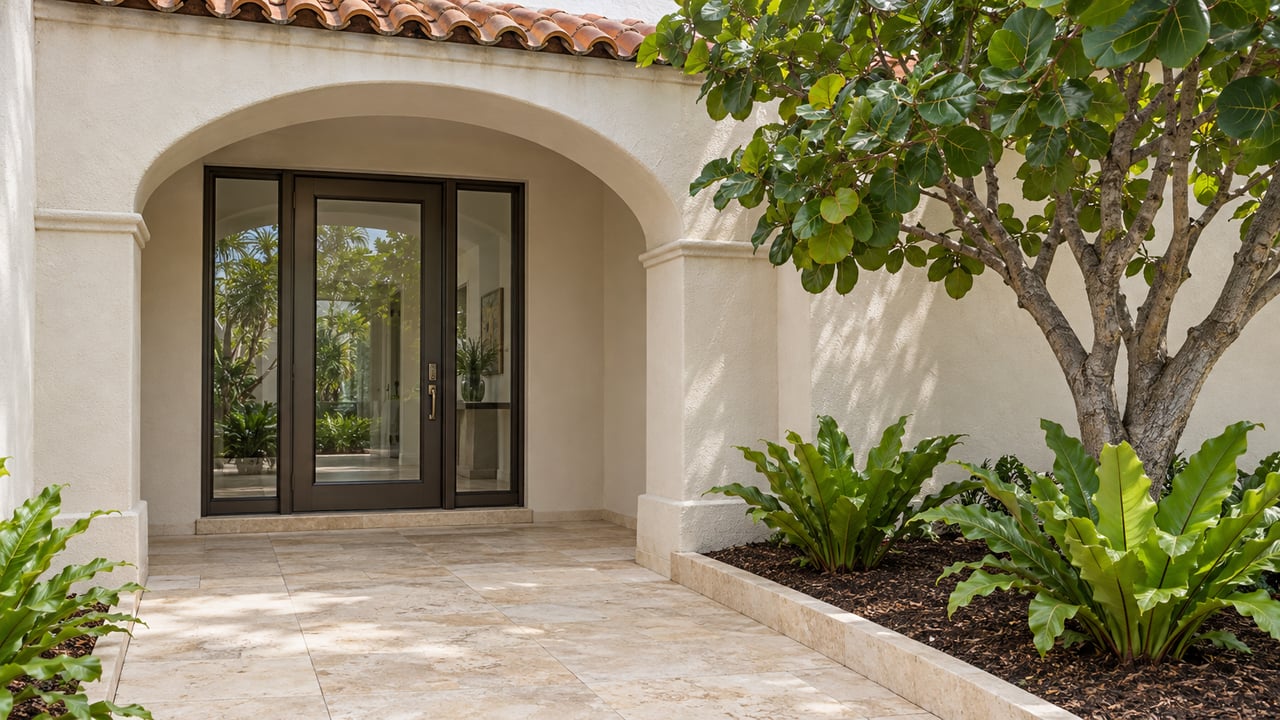
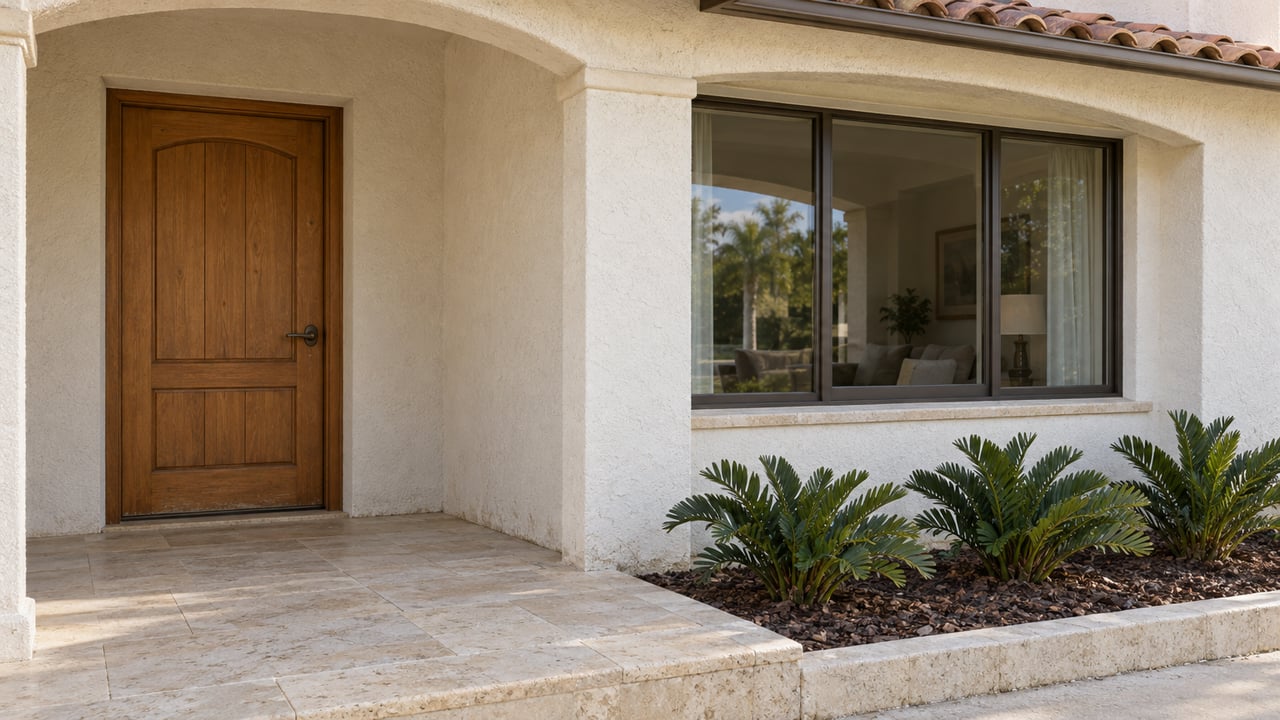
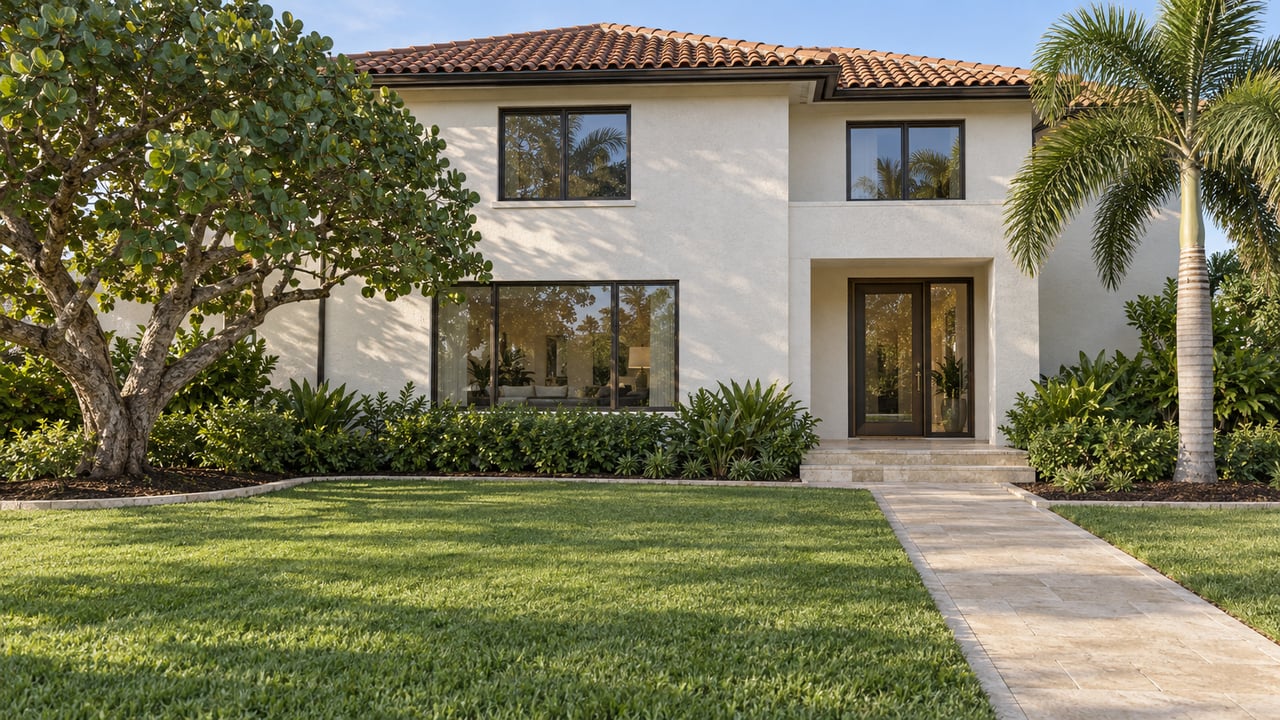
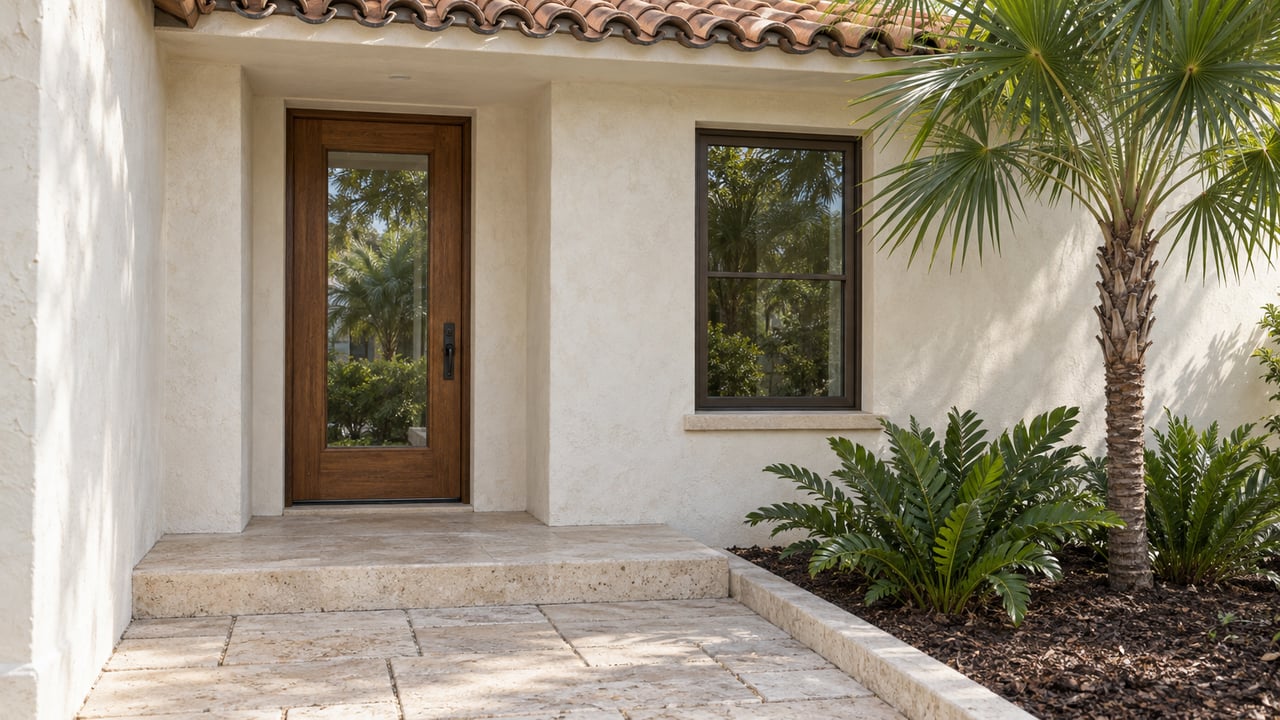
Coral Springs property guidelines emphasize clean and well-maintained exteriors, visible house numbers, and screening of accessory structures from view. That makes curb appeal more than a cosmetic issue. It is part of local readiness.
Start with the basics:
- Clean the exterior and entry areas
- Refresh landscaping and remove clutter
- Make sure house numbers are easy to see from the street
- Store outdoor items neatly
- Address obvious paint, fence, or roof concerns if needed
These steps help your home show better in person and in photos. They also signal to buyers that the property has been cared for.
Check permits early
In Coral Springs, buyers and agents can search permit history by address. That means permit questions often come up during the sale, whether you bring them up first or not.
If you have completed work such as roof replacement, major roof repair, structural work, HVAC replacement, electrical service restoration or replacement, non-like-for-like window or door replacement, fence replacement, or water heater replacement, gather the permits and final inspection sign-offs now. Contractor records are also helpful.
Having this paperwork ready can reduce stress later. It also helps build trust when buyers are evaluating your home.
Get disclosures and documents organized
In Florida, sellers must disclose known material facts that affect value and are not readily observable to the buyer. There are also specific disclosure requirements tied to ad valorem taxes, flood risk, and known sanitary sewer lateral defects before contract.
This is one of the biggest reasons structure matters. When you organize disclosures early, you lower the odds of a last-minute issue slowing down the deal.
Think of this stage as part of your listing prep, not a task to save for later. A more complete file usually means smoother conversations once offers start coming in.
HOA and condo paperwork matters
If your home is in an HOA or condominium, gather association documents as early as possible. Florida condo buyers are entitled to current association documents at the seller’s expense, and HOA estoppel certificates must be issued within 10 business days after request.
In real life, that means community paperwork can affect your closing timeline. If those items are delayed, buyer due diligence can slow down too.
Document features that help buyers feel secure
In South Florida, buyers often look closely at storm-related and insurance-related details. If your home has impact windows, shutters, roof-to-wall connectors, or a newer roof, it helps to document those features clearly.
Florida’s Department of Financial Services says mitigation measures can improve storm resistance and may qualify for windstorm premium discounts when documented by a qualified inspector using the uniform mitigation form. For a seller, that paperwork can support buyer confidence and help answer common insurance questions.
You should also be ready for tax questions. Broward County’s property appraiser notes that a change in ownership resets assessed value to full market value, and Florida homestead portability may allow an eligible homeowner to transfer up to $500,000 of the prior homestead’s assessed-value difference when moving to a new homestead.
Buyers often think about monthly carrying costs, not just purchase price. Clear information helps them make decisions faster.
Build a stronger listing package
In a market where homes may take weeks rather than days to sell, your marketing package needs to do more work. The goal is to make it easy for buyers to understand the value of your home before and after they visit.
A strong listing package may include:
- Professional photos
- Accurate room dimensions or a floor plan
- A concise list of upgrades
- Permit records and inspection sign-offs
- Notes on roof, HVAC, windows, and water heater ages or updates
- HOA or condo information, if applicable
This kind of preparation supports stronger first impressions. It also helps your home stand out when buyers compare multiple listings online.
Manage showings without the stress
Showings can feel disruptive, especially when your home is still occupied. A simple system makes the process much easier.
Try setting clear routines for notice windows, pets, valuables, and quick daily resets. Since current market conditions suggest your home may need repeated showings over several weeks, consistency matters.
A helpful showing checklist can include:
- Secure valuables and sensitive paperwork
- Create a plan for pets during showings
- Open blinds and turn on key lights
- Wipe kitchen and bath surfaces quickly
- Store everyday clutter out of sight
- Confirm lockbox and access instructions are clear
When buyers walk into a calm, well-kept space, they can focus on the home itself. That supports stronger feedback and better offers.
Compare offers the smart way
The highest offer is not always the strongest one. In Coral Springs, where buyers are still price-sensitive, terms can shift your real outcome just as much as price.
When reviewing offers, look at the full picture:
- Purchase price
- Financing type
- Appraisal risk
- Inspection terms and likely concessions
- Requested closing date
- HOA or condo document timing
- Repair expectations
- Overall certainty of closing
A financed offer with strong terms may be better than a higher offer with more risk. The goal is not just to accept the biggest number. It is to choose the offer with the best risk-adjusted value and the smoothest path to closing.
Tax conversations can affect buyer confidence
Florida law warns buyers not to rely on the seller’s current property taxes, because a sale or improvements can trigger reassessment. That makes tax expectations part of offer evaluation, especially for buyers focused on monthly payment.
When this is addressed early and clearly, it can reduce confusion later in the transaction. It also helps buyers make decisions with more confidence.
Choose guidance that keeps the process calm
Selling with confidence is not about guessing your way through the process. It is about having a clear plan, local market insight, responsive communication, and careful attention to details that can affect value or timing.
Florida law requires real estate licensees to explain their duties in writing before listing or showing, including honesty, fairness, timely presentation of offers, and disclosure of known material facts. That gives you a strong framework when choosing who to work with.
As you prepare to sell, it helps to ask practical questions about pricing strategy, communication, negotiation, documentation, and how the process will be managed from listing through closing. The right support should make the experience feel more organized, not more overwhelming.
If you are preparing to sell in Coral Springs and want polished guidance with detail-focused support, Andrew Ferreira can help you build a strategy that fits your home, your timeline, and your goals.
FAQs
How should you price a home in Coral Springs?
- The strongest approach is to use a local comparative market analysis and very recent neighborhood comps, because citywide portal numbers can vary based on different methods and timing windows.
What repairs matter most before selling a Coral Springs home?
- Visible maintenance issues, exterior condition, curb appeal, and documentation for major work like roofs, HVAC, windows, doors, fences, electrical service, and water heaters can all matter to buyers.
What disclosures do Florida sellers need before listing a home?
- Florida sellers should be prepared to disclose known material facts that affect value and are not readily observable, along with required information related to ad valorem taxes, flood risk, and known sanitary sewer lateral defects before contract.
How do HOA or condo documents affect a Coral Springs sale?
- Association paperwork can affect buyer due diligence and closing speed, so gathering condo documents and requesting HOA estoppel information early can help prevent delays.
How should you compare a cash offer versus a financed offer in Coral Springs?
- Compare total risk-adjusted value, including price, appraisal risk, inspection terms, closing timeline, and certainty of closing, rather than focusing only on the headline number.